



施俊辉博士,JP
教育局副局长
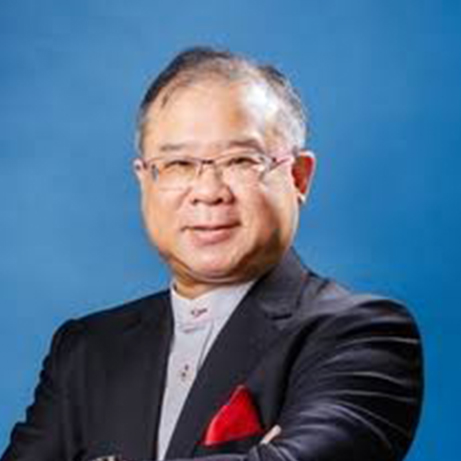
李汉祥先生,MH
香港教育城董事会主席
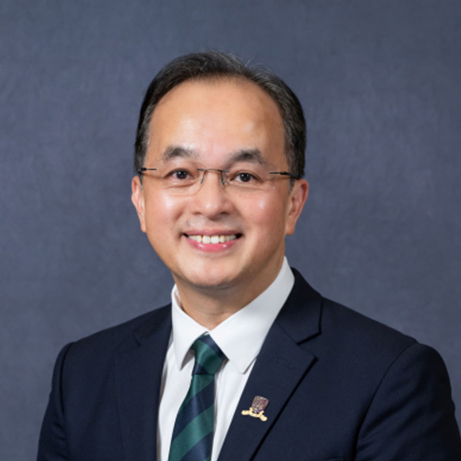
张志强教授
香港中文大学教育学院院长及教育行政与政策学系教授
Positive Education in the Age of AI: Supporting Students’ Motivation, Resilience, and Well-being
Artificial intelligence is creating new possibilities for supporting student wellbeing, from self-assessment and early identification to personalised resources, timely feedback, and improved access to support. However, a human-centred approach requires us to ask not simply what AI can do, but what forms of wellbeing education should help students develop. Drawing on positive psychology, positive education, and motivational theories, this keynote moves beyond a deficit-oriented view of student mental health focused primarily on identifying risk and reducing symptoms. Instead, it considers how AI might strengthen the psychological and social resources that underpin motivation, resilience, and well-being.
Student mental health and resilience remain key priorities for Hong Kong schools under the Education Bureau’s 4Rs Mental Health Charter, which promotes rest, relaxation, relationships and resilience through a whole-school approach. CUHK has also explored AI applications in mental health, including self-assessment, early identification and digital interventions, making the university well positioned to contribute research-based insights. (mentalhealth.edb.gov.hk)
Positive Education in the Age of AI: Supporting Students’ Motivation, Resilience, and Well-being
Explore how AI and inclusive learning design can help schools understand and respond to the diverse learning needs of not only neurodivergent students, such as those with autism, ADHD, dyslexia, but also neurotypical students. The keynote could address AI-enabled personalised learning, multimodal content, assistive tools and early learning support, while highlighting the importance of teacher judgement and ethical decision making in issues including accessibility, privacy, fairness and avoiding algorithmic bias.